Learning Dutch: 25 Years of Experience in NT2 Training is More Valuable Than the Newest Textbook

Avoiding Dead-Ends

Using The Best Resource To Learn Dutch

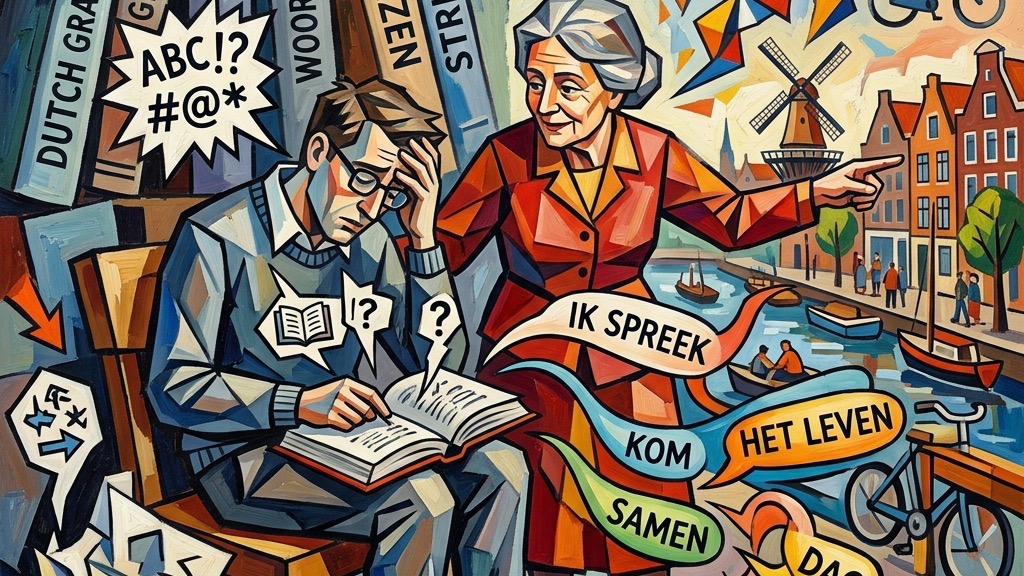
Using a book to become fluent in the Dutch language often falls very short of teaching you how to communicate in real-world situations. It’ll leave you feeling frustrated and isolated when you’re unable to navigate the subtle cultural cues of a native speaker. Why is a veteran instructor’s decades of classroom experience far more valuable than the newest, glossiest textbook on the market?

Go directly to our A2 courses
Beyond The Printed Page

Why The Best Books For Learning Dutch Cannot Teach Cultural Intuition

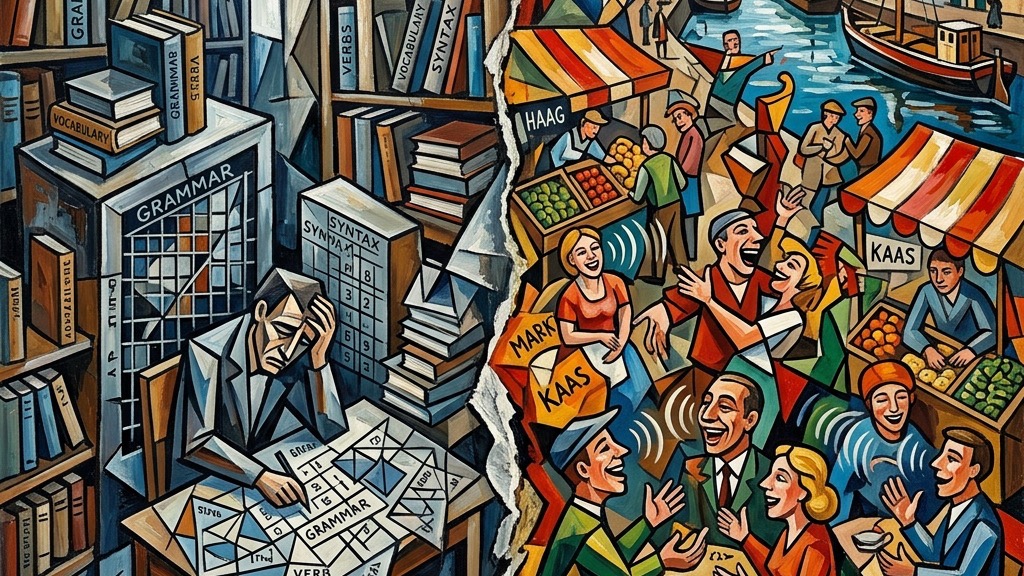
Some people believe that language is merely a mechanical process of memorizing grammar tables and vocabulary lists. You can easily find the best books for learning dutch that will tell you how to structure a sentence, yet these books are fundamentally static. They are trapped in amber. They can explain the rules of the language, but they cannot explain the living, breathing spirit of the people who speak it. A book is a closed system, and language is an open, social, and deeply chaotic phenomenon.


Much More Than Vocabulary & Grammar


When you rely solely on textbooks, you are only learning half of the story. The other half, which is the most critical for actual integration, is the cultural context. This is the realm of the unspoken, the intuitive, and the social cues that you cannot find printed on a page. You might be able to recite a textbook conversation perfectly, but if you do not understand the subtle social signals of your Dutch colleagues, your fluency will remain an empty vessel. The best books for learning dutch are tools, not guides to the human experience.

The Art Of Poldering

Why Two Decades Of Nt2 Experience Outshines The Newest Textbook

An old, deeply rooted tradition in the Netherlands is poldering. It is the process of consensus building, of sitting around a table and talking until everyone agrees on a way forward. You cannot learn this from a textbook. A book can define the word, but it cannot teach you how to feel the rhythm of a Dutch meeting or how to recognize when a compromise is being reached. This requires a level of cultural intelligence that can only be cultivated through years of observation and teaching.

This is why someone with twenty five years of experience in the field is so much more valuable than the newest, glossiest textbook on the market. A veteran instructor has seen thousands of students navigate these waters. They know the exact moment when a student is misunderstanding a cultural cue, and they can course correct in real time. They do not just teach you how to speak. They teach you how to function within the social architecture of the country.


Real-World Interaction


Textbooks are inherently conservative. They are designed to be safe, standard, and applicable to a wide audience. But real life is not standard. A teacher who has spent a quarter of a century in the classroom knows the messy, inconsistent, and brilliant reality of the Dutch people. They have absorbed the cultural subtext through decades of daily interaction, and they can pass that wisdom on to you in a way that a printed page never could.


FAQ About NT2 Trains VS a Dutch Textbook

Why isn't a modern textbook enough to learn Dutch?

A textbook is a static tool that can only explain standard grammar rules and basic vocabulary tables. It’ll never be able to teach you the living, consensus-driven culture or the subtle social cues of the local people.

What is the benefit of choosing an experienced instructor?

A veteran teacher has observed thousands of students and knows the exact moment when you’re misunderstanding a cultural signal. They don’t just teach you the words, they show you how to navigate the complex social landscape of the country.

How does cultural navigation impact workplace success?

Success in the Dutch office is less about grammatical perfection and more about understanding the consensus-building process. You’ll struggle to contribute effectively if you don’t know how to read the room and participate in meetings.

How Can An Intensive Dutch Course Guarantee Me Results?

An intensive program provides the structured practice and immediate feedback you need to build confidence quickly. It’s a proven method that combines language training with real cultural navigation to ensure you’re ready for any professional challenge.

Finding The Best Books For Learning Dutch

Language Vs Cultural Navigation

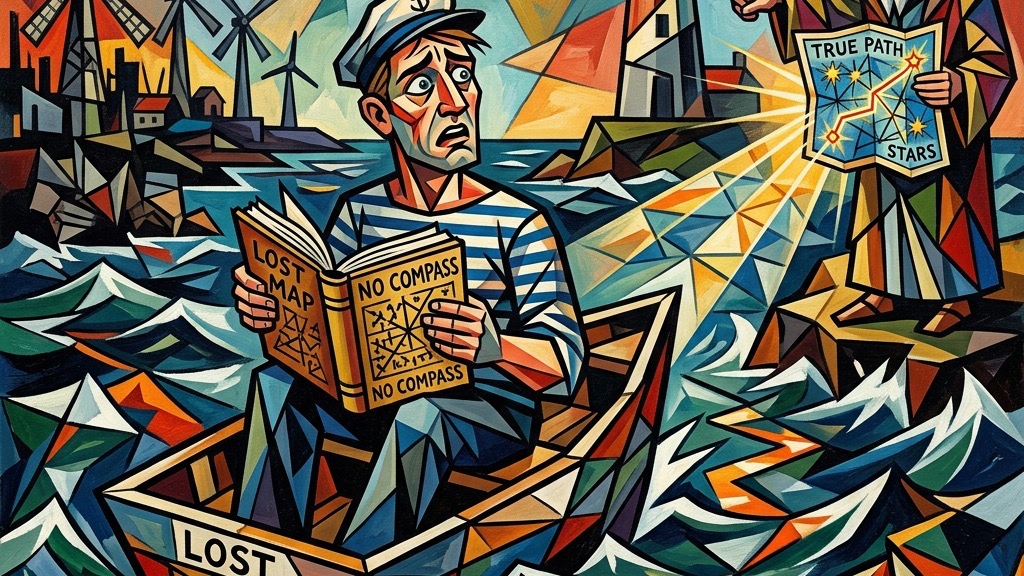
We must distinguish between the ability to speak a language and the ability to navigate a culture. You might possess the best books for learning dutch, and you might even finish every chapter, but you will still find yourself baffled when you enter a real world setting. You are missing the map of the culture. You are like a sailor who has studied the weather patterns but has never actually stepped onto a boat. Navigation requires a practical, hands on understanding of the terrain.


Learning The Dutch Culture


The frustration that many expats feel is not because they have failed to learn the language. It is because they have failed to learn the culture. When you rely solely on your books, you are missing the context that explains why a Dutch person might be so direct with you. You might perceive their words as blunt, when in reality, they are just being efficient and honest. A teacher who understands this can explain it to you in seconds, while a book will simply leave you guessing.

Why Experience Is The Real Teacher

Navigating The Dutch Workplace

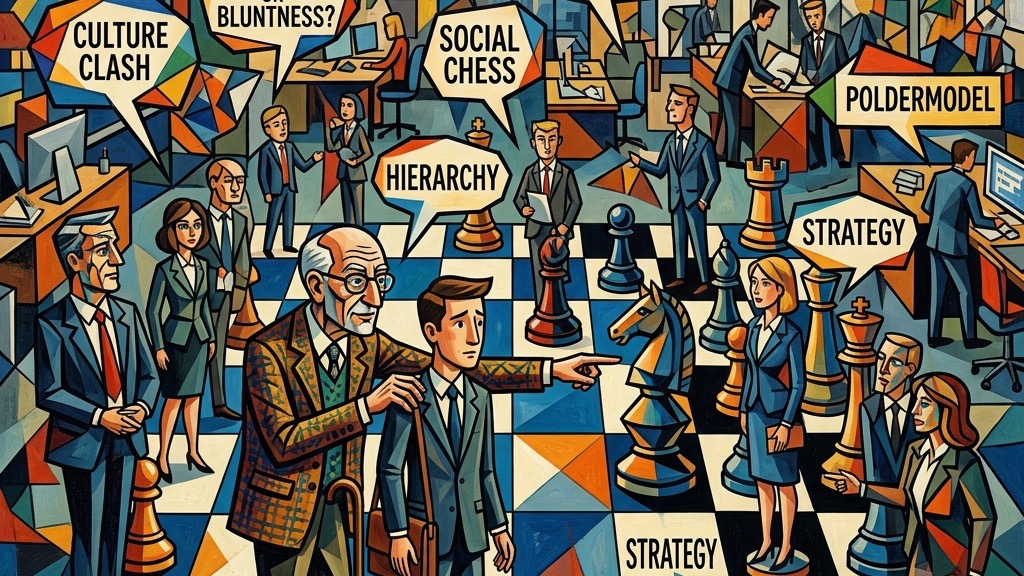
In the Dutch workplace, professional communication is entirely about reading the room. It is a subtle game of social chess. You need to know when to push, when to listen, and when to accept the consensus. This is what we mean when we talk about Nederlands in de praktijk. It is not just about the words you use. It is about how you exist in the office. A veteran educator has seen every type of office dynamic and can mentor you through the specific nuances of your own career.


Way More Than A Classroom


A textbook assumes that you are in a classroom. But you are not in a classroom. You are in a high pressure professional environment. A teacher who has spent twenty five years in the business of language understands that your goal is not to pass a test. Your goal is to be effective in your job. They can help you adapt your language to the specific expectations of your field, which is a level of customization that no off the shelf textbook can offer.

You are being trained to see the subtext. When a colleague says something, they often mean something else entirely. The veteran teacher has the unique ability to point this out and explain the reasoning behind it. They can translate the culture as well as the language. By the time you are finished with their guidance, you are not just a speaker of Dutch. You are a participant in the Dutch world.

Using The Best Books For Learning Dutch As A Supplement To Real Expertise

Mastering The Subtext

The key is to place the materials in their proper place. By all means, use the best books for learning dutch as a foundation, but treat them as a supplement to, not a replacement for, human wisdom. A book is for your desk, but a mentor is for your professional life. True fluency is a synthesis of technical ability and cultural sensitivity, and you can only achieve that when you have a guide who has seen it all before.


Getting To The Core


Experience is the ultimate filter. It strips away the unnecessary, highlights the essential, and provides the context that transforms a student into a professional. You are looking for mastery, not just competence. When you find a teacher with twenty five years of experience, you are not just buying lessons. You are buying the distilled wisdom of a career spent observing the intersection of language and life, and that is a value that can never be measured by the price of a book.