



The waiting room paradox
In the Netherlands, this is daily reality. Patients waiting for care. And just down the hall: doctors and nurses waiting for a chance to work. While hospital wards struggle with staff shortages and rosters that barely hold together, qualified foreign healthcare professionals are sitting on the sidelines. Physicians, nurses and physiotherapists who had to leave their countries, who want nothing more than to contribute. The experience is there. The diploma is ready. But the path into Dutch healthcare turns out to be tough.
More than medical skill
The barrier is rarely clinical competence. Anatomy, pharmacology and diagnostics don’t change at a border. The real challenge is the culture and the dynamics of a Dutch ward. In healthcare, every detail matters. You need to hold the worry of a family at the bedside, navigate a sensitive conversation about end-of-life care, and slot naturally into the direct, non-hierarchical communication of a multidisciplinary team.

The regional newcomer programme
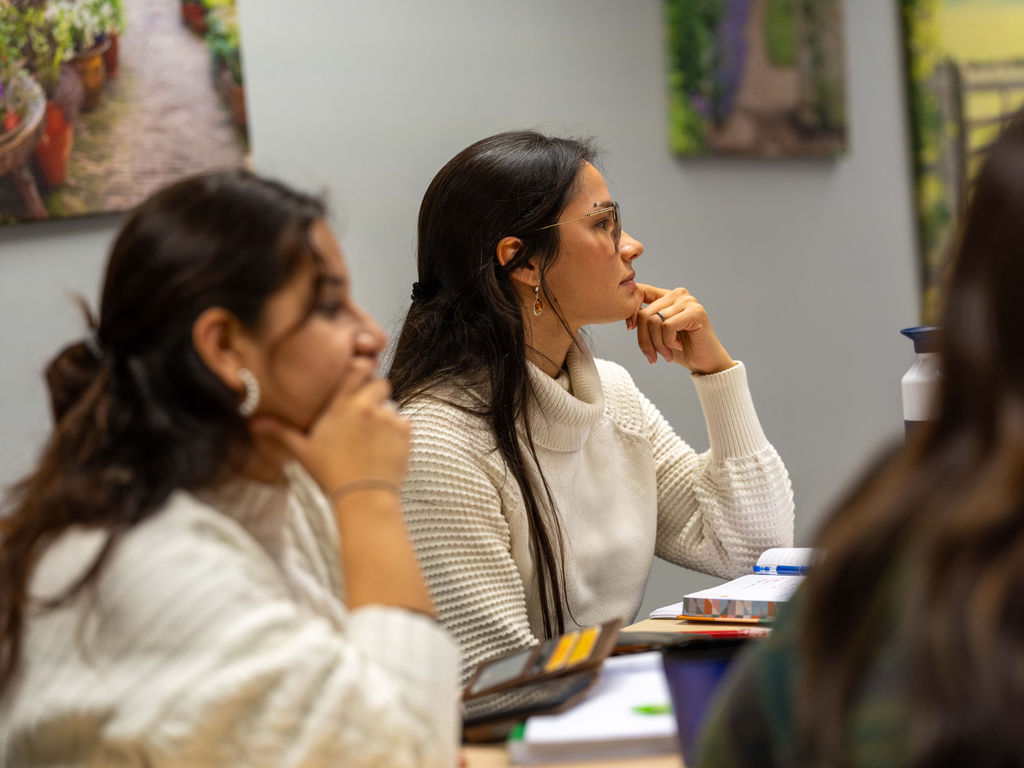
Three hospitals in the Utrecht region decided not to accept this situation. UMC Utrecht, Diakonessenhuis and St. Antonius Ziekenhuis joined forces for the Newcomer Programme, formally known as the Orientation in Dutch Healthcare trajectory. Over an intensive six-month programme, refugees with a healthcare background combine language training with a broad introduction to the Dutch hospital floor. Three days a week, participants immerse themselves in education, practical situations and hospital culture, with one clear aim: moving on to a job, further training or the BIG register.
Language training in practice
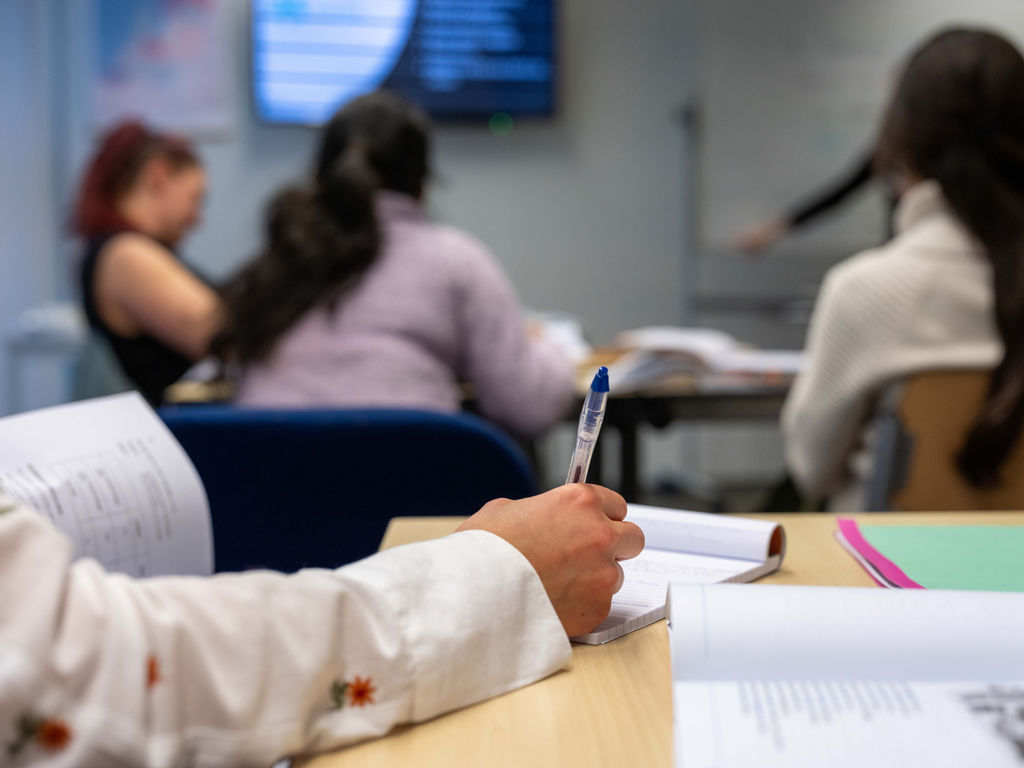
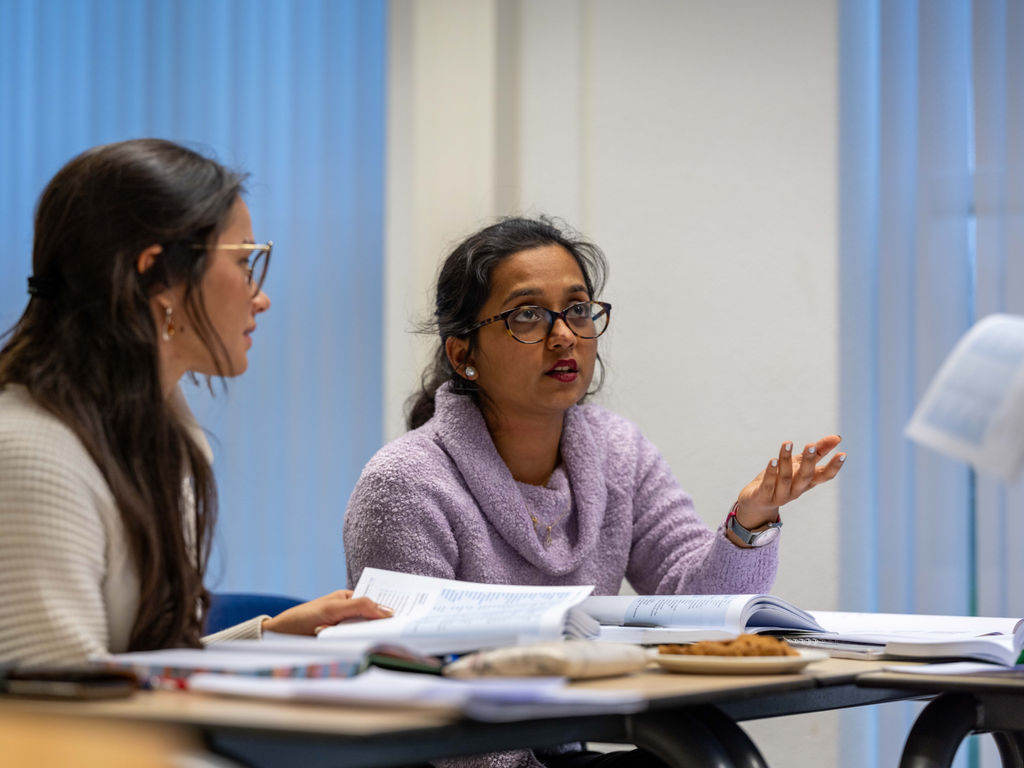
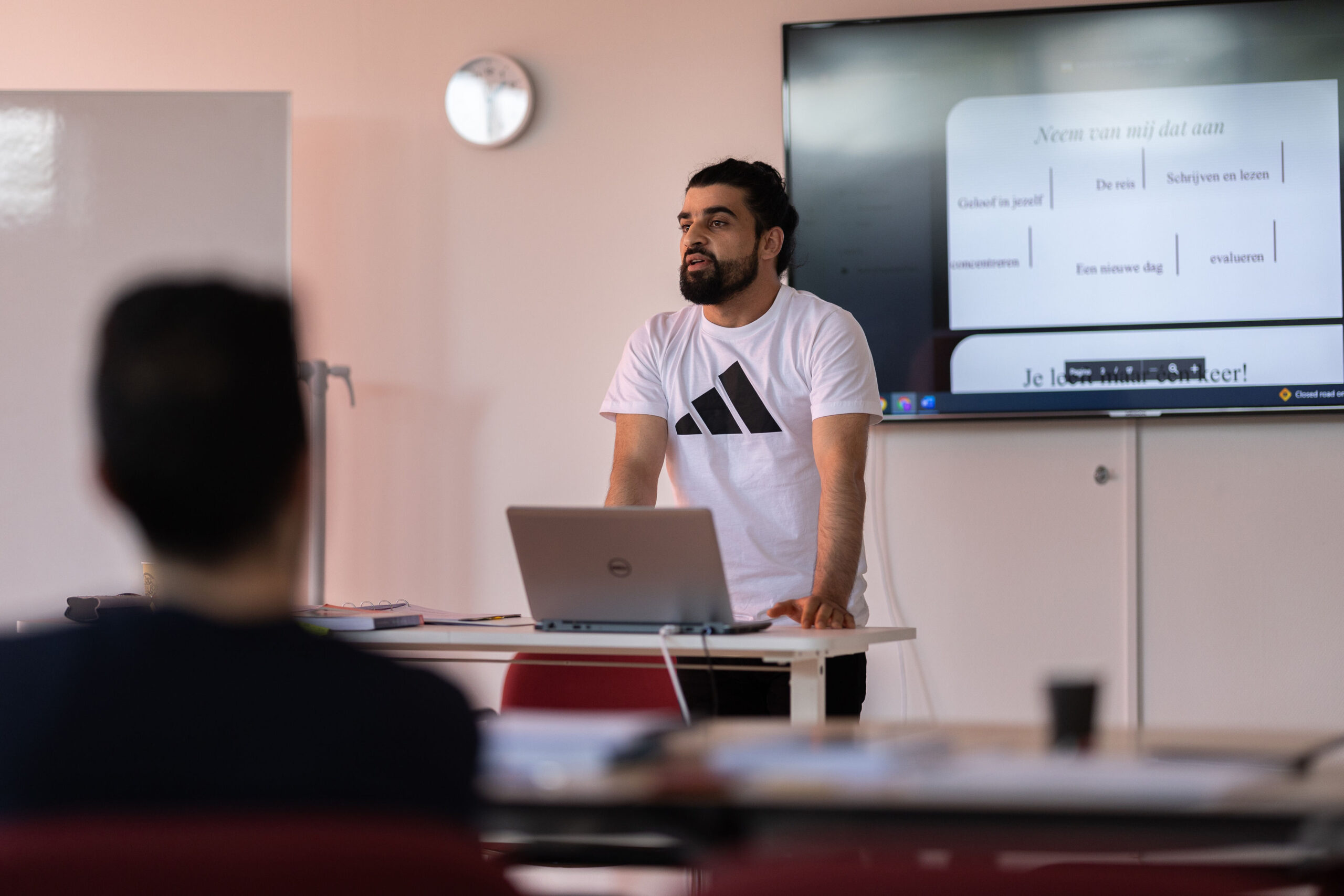
Lest Best provides the language foundation within this programme. Fieke Boschman guides participants from level B1 to B2 in eighteen weeks, the threshold needed to function independently on the ward. Edwin Lucas delivers the medical language lessons. There, participants work on medical vocabulary, grammar in a medical context, patient conversations and writing medical texts, including a position paper, consultation report, referral letter and discharge letter.
Measurable results on the ward
From previous cohorts, 65 percent of participants went on to a job in hospital care, from nurse and lab technician to trainee anaesthesia assistant. Others found their place elsewhere in healthcare or childcare. The programme brings two worlds together that need each other. Wards are looking for hands at the bedside, and driven professionals who can pick up their vocation in the Netherlands again.
Discover the Dutch Courses at Lest Best
Our Dutch course in Rotterdam, Utrecht and online.
Below, you’ll find more information about our courses to help you make the right choice.

87%
slagingspercentage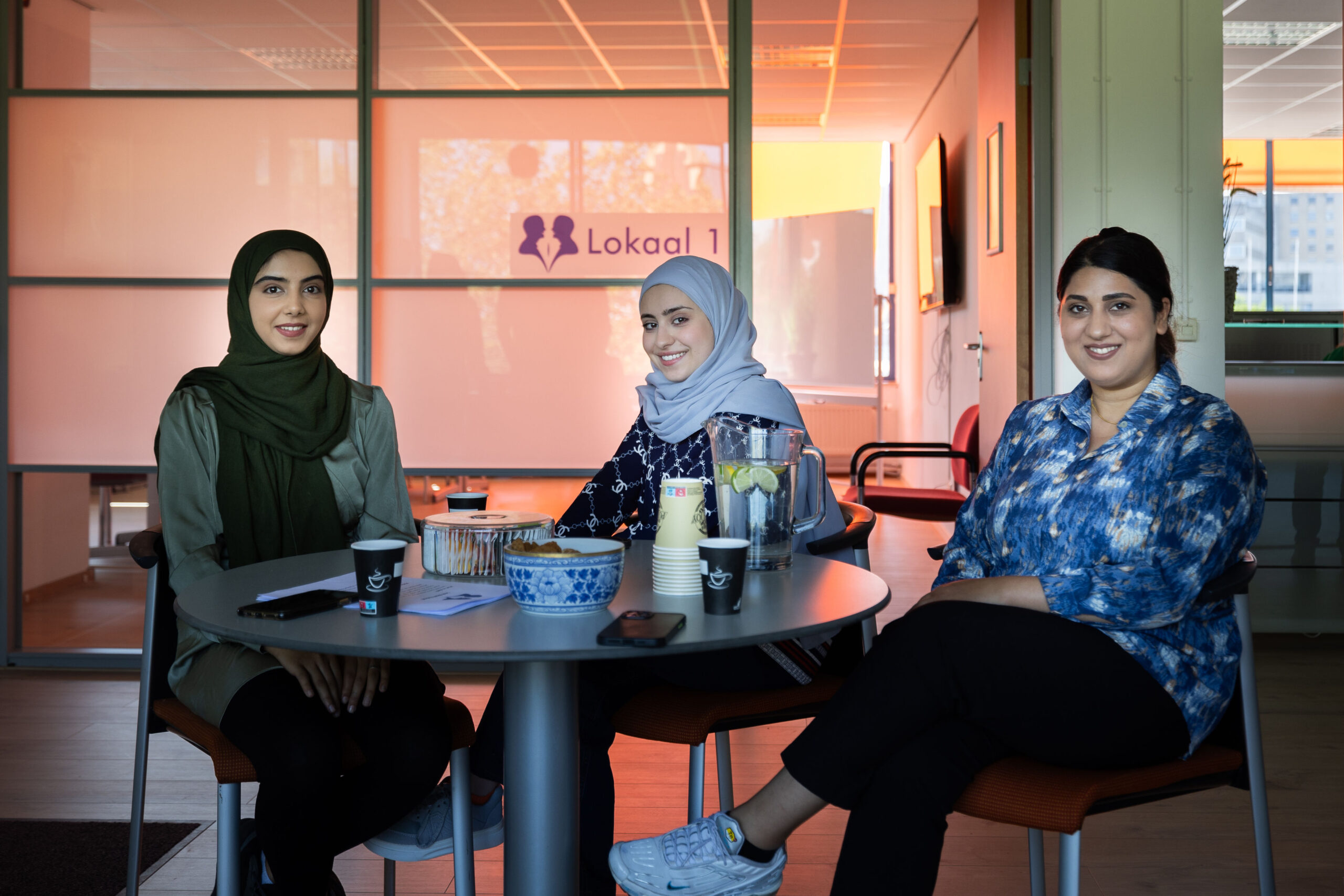

 Utrecht
Dutch Course A1: A0 to A1 | Intensive – Location Utrecht
Learn how to introduce yourself, talk about your family, order something, ask how someone is doing, make an appointment, ask questions, and express positive or negative opinions.

Utrecht
Dutch Course A2: A1 to A2 | Intensive – Location Utrecht
You will learn how to ask and talk about past events, describe a technical problem, make small talk, describe objects and surroundings, ask for and give information.

Utrecht
Dutch Course A2–B1: A2 to A2–B1 | Intensive – Location: Utrecht
In the A2–B1 course, you complete level A2 and begin working towards level B1. You will learn how to make phone calls, describe objects and events, talk about your future plans, and describe things in more detail.