What You Need to Know for your Career in the Netherlands The B1 Glass Ceiling: Why an Intensive Dutch Course is Now Feeling Mandatory for Incoming Talent
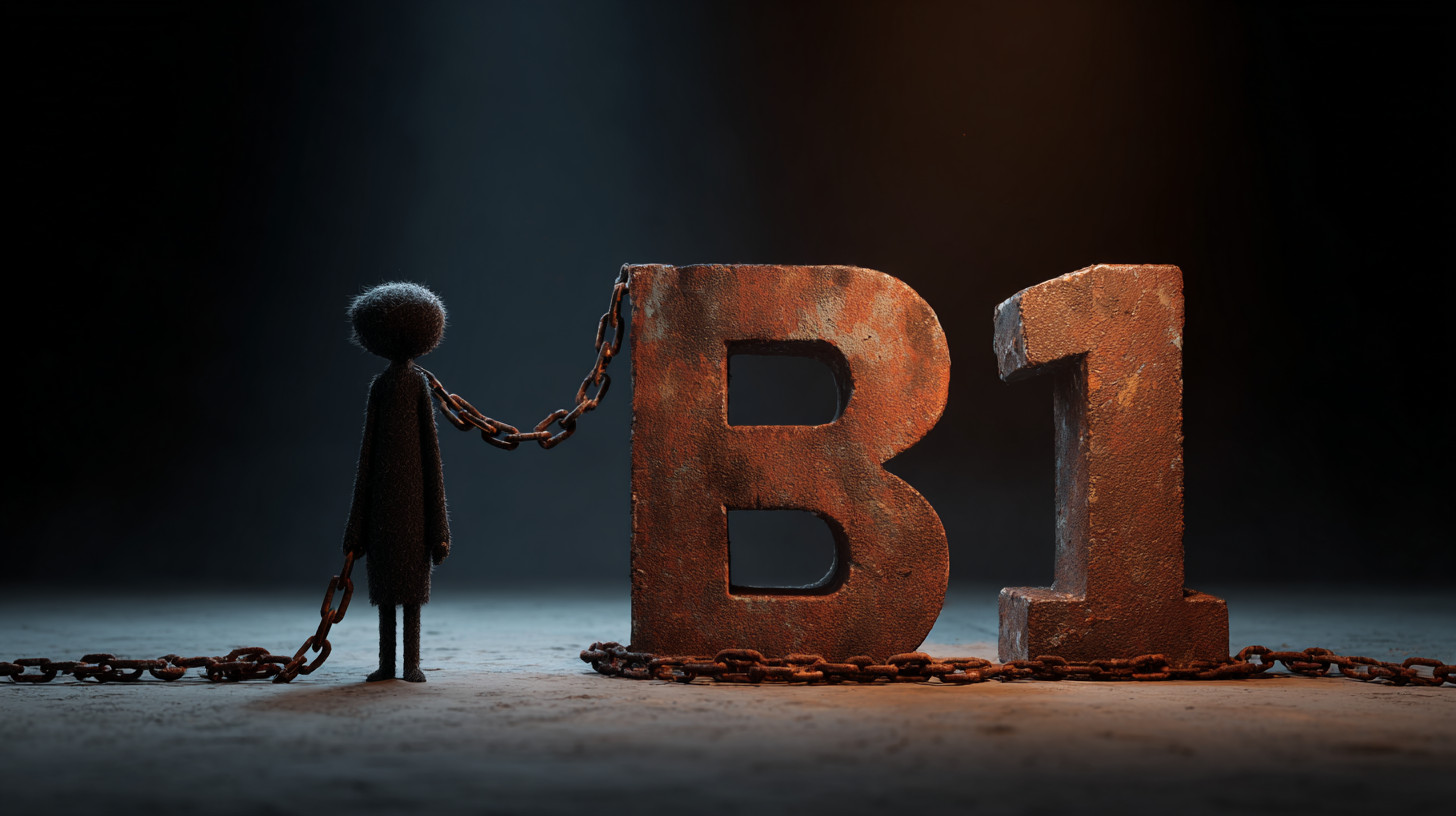
There’s a particular kind of frustration that comes when you realize you’ve hit a wall you didn’t even know was there. We call this the B1 glass ceiling. You might feel quite proud of yourself for passing those initial tests, but in the world of specialists, doctors, and engineers, B1 is effectively just a high-level survival kit. It doesn’t allow you to handle the subtle nuances of a legal contract or the life-and-death details of a medical consultation. You’re stuck in a place where you’re technically competent in your field but linguistically hobbled, which is a miserable state for any talented person to inhabit. It’s a tragedy, really, to see a brilliant mind reduced to the vocabulary of a schoolchild because they didn’t think the language was as important as their technical skills.
This is why an intensive dutch course has become a mandatory part of the specialist’s journey in the modern era. You can’t just hope the language will seep into your brain by osmosis while you’re busy doing your job. The complexity of high-level work requires a high-level tool, and B1 simply isn’t it. You need a way to break through that ceiling so that your intelligence isn’t being masked by a limited vocabulary or a lack of grammatical precision. If you’re a specialist, you’ve already proven you’ve the discipline to master a difficult subject, so it makes little sense to stop halfway when it comes to the language of the country where you’re building your life. It’s an investment in your own authority, ensuring that when you speak, your colleagues hear the expert you are rather than the struggling learner you’ve allowed yourself to remain.
Density is Key
The reality’s that the Dutch market now expects a level of linguistic precision that B1 can’t provide. When everyone else in the room is communicating at a B2 or C1 level, your B1 Dutch makes you sound less capable than you truly are, regardless of your years of experience. It’s a hard truth to hear, but it’s one we’ve got to face if we’re serious about our careers in this corner of the world. An intensive dutch course provides the density of practice required to bridge that gap. It turns the language into an asset rather than a liability, ensuring that when you speak, people are listening to your ideas instead of wondering why your grammar’s so basic. You’ve got to realize that in a competitive economy, the person who can communicate their value is the one who gets to lead, while the one who can’t is left to follow.













 Utrecht