What Each Dutch Language Level Enables You to do in a Meeting or Clinic

The Translation Gap

Mapping Language Benchmarks to Real-World Performance

Standard language benchmarks like A2, B1, or B2 are rarely explained in terms of the actual duties you face during a busy workday. This lack of clarity leaves you feeling completely lost and anxious when you’re trying to gauge your professional standing in a local office. How do these academic scores translate to your real-world ability to contribute in a boardroom or describe physical symptoms in a medical clinic?

Go directly to our A2 courses
Demystifying Language Benchmarks for Your Career

The Real Meaning Of Standard European Language Levels

We’re constantly presented with a confusing alphabet soup of language benchmarks when we look at our educational options. You’ll see terms like A2, B1, or B2 scattered across websites and brochures, but they’re rarely explained in a way that relates to your actual workday. Most prospective students find themselves completely lost, trying to figure out how to read a dutch test or what level they need to survive in a local office. It’s a frustrating situation because these scores aren’t just academic markers; they represent the precise boundaries of your professional capability. If you don’t know what these levels allow you to do, you’re essentially flying blind in your career progression. You shouldn’t have to guess whether your certificate matches the demands of your job.


Finding the Balance


Understanding these benchmarks is crucial because it helps you set realistic expectations for your progress. You can’t expect to lead a complex negotiation when you’ve only just mastered the basics of ordering lunch. By clarifying what each level enables you to do in a meeting or clinic, you’ll be able to choose a course that matches your immediate needs. It’s about finding the right balance between challenge and capability, ensuring that every hour you spend in class translates directly to confidence in public. Let’s look at the actual limits and opportunities of each level, starting from the baseline and moving up to absolute fluency so that you don’t waste your energy on mismatched goals.

The Power of Full Exposure

Surviving Small Social Spaces At The A2 Level

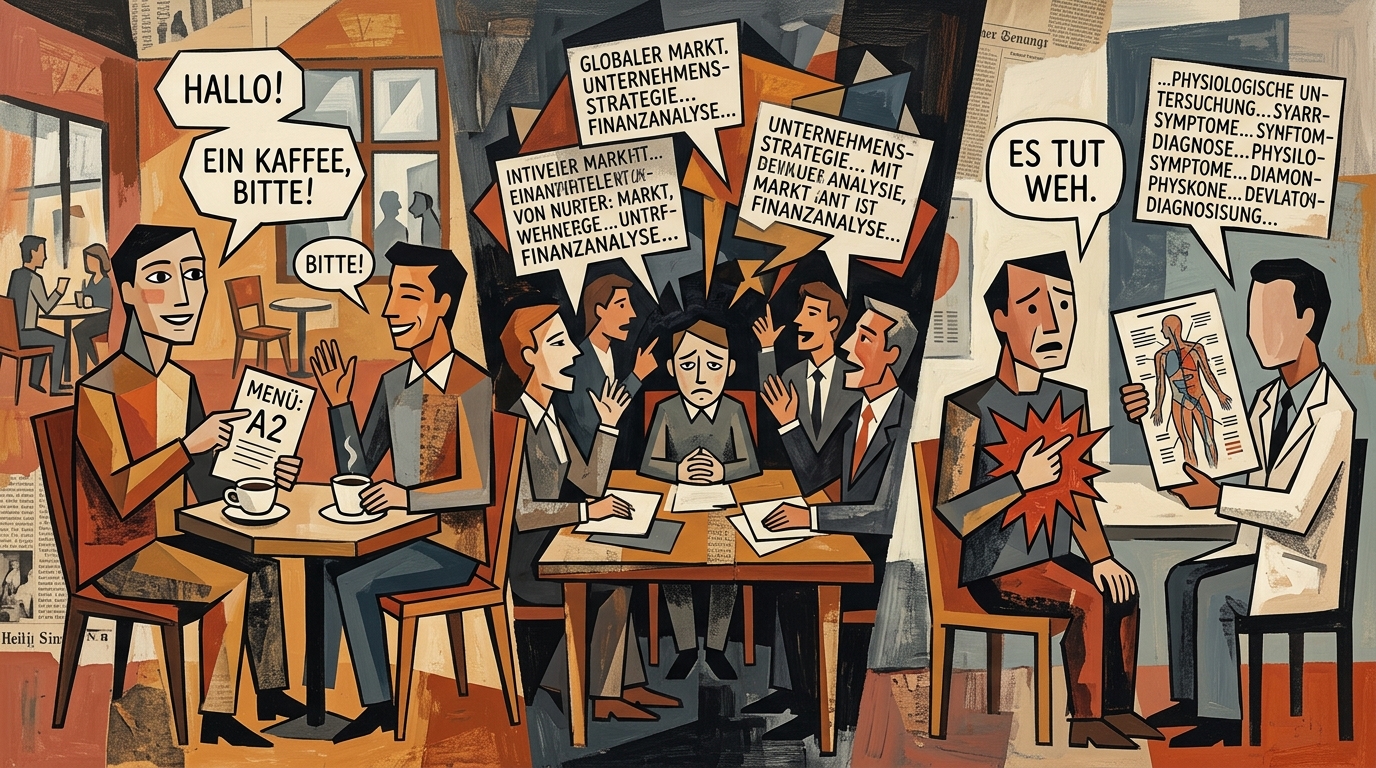
The A2 level is often described as the survival stage, and that’s a very accurate description of what it feels like in daily life. At this level, you can handle basic, routine tasks that require a simple and direct exchange of information about familiar matters. You’ll be able to greet your colleagues, ask for simple directions, and order your lunch with confidence in a local café. It’s the point where the language starts to sound like something you can actually use, rather than a wall of noise that you can’t decode.


A Vital Starting Point


However, you shouldn’t expect to participate in deep discussions or complex projects at this stage. In a meeting, you’ll be able to understand the general topic of conversation if the speakers are patient, but you won’t have the vocabulary to contribute your own ideas. You’re limited to passive listening and short, rehearsed responses that don’t allow for spontaneity. If someone asks you a direct question about your work, you’ll probably feel a bit overwhelmed and need to translate the question back and forth in your head.

In a clinical setting, an A2 level enables you to explain simple physical symptoms, but you’ll struggle to describe complex emotional states or medical history. You can tell a doctor where it hurts, but you won’t be able to debate different treatment options or understand a complicated diagnosis without assistance. It’s a vital starting point that helps you build confidence in public, but you’ll need to progress further if you want to function as a peer in a Dutch workplace. It’s the foundation upon which you’ll build your future fluency.

FAQ About All Levels of Dutch (A2-C1)

What is the main difference between A2 and B1 language levels in a professional office?

While A2 is a survival stage that limits you to passive listening and short, rehearsed responses, B1 allows you to actively participate in meetings on familiar, routine matters. Reaching B1 marks your transition into independent language use where you can write connected texts and follow clear standard inputs.

Why is B2 considered the standard benchmark for professional fluency in the Dutch workplace?

At B2, you can follow complex technical discussions and express your opinions spontaneously without translating sentences in your head. This level enables you to lead debates, present arguments, and build deeper trust with your clients or partners.

How does achieving a C1 level impact your performance in high-stakes negotiations?

Reaching C1 ensures you’re never at a linguistic disadvantage because you can grasp subtle nuances of tone, sarcasm, and implicit meaning. You’ll be able to present complex arguments with elegance and precision, matching the communication skills of a native speaker.

How Can An Intensive Dutch Course Guarantee Me Results?

An intensive course provides the structured, high-frequency practice necessary to break through the limits of self-study and avoid cementing persistent grammatical errors. By working shoulder-to-shoulder with experienced instructors and professional peers, you’ll accelerate your progress toward B2 and C1 fluency.

The Next Step Up

Managing Basic Professional Communication At The B1 Level

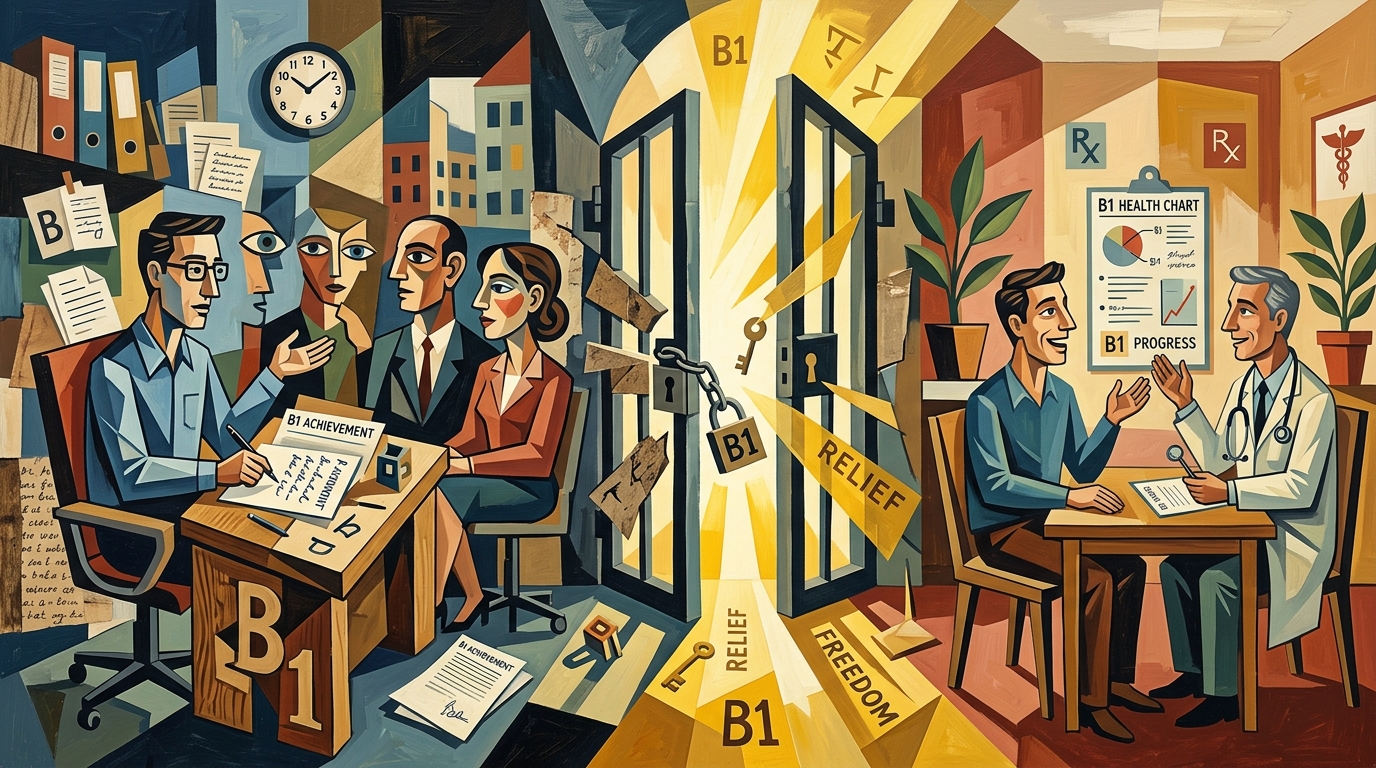
Reaching the B1 level is a major milestone because it marks your transition into independent language use. At this stage, you’re no longer just surviving; you’re actually beginning to communicate your thoughts. You’ll be able to understand the main points of clear, standard input on familiar matters that you regularly encounter in your work. In a meeting, you can follow the discussion and express your opinions on routine matters, though you might still struggle with rapid, native speech. You’ll be able to write simple, connected text on topics that are familiar or of personal interest to your career. It’s the level where you start to feel like a member of the team.


Starting to Build Relationships


In a clinic, a B1 level allows you to have a much more productive conversation with a doctor or therapist. You can describe your feelings, explain the history of a medical condition, and understand the general outline of a treatment plan. You’ll still need the speaker to avoid overly complex medical jargon, but you’ll feel like an active participant in your own care rather than a passive recipient. It’s the level where you can start to build genuine professional relationships with your colleagues and clients. You aren’t fully fluent yet, but you’re no longer locked out of the daily life of the office, which is a massive relief. It gives you the confidence to speak without constant hesitation.

Getting Deeper With B2 Dutch

Leading More Complex Debates At The B2 Level

The B2 level is where the magic happens for most professionals working in the Netherlands. It’s the benchmark that many companies use to define professional fluency, and for good reason. At this level, you can understand the main ideas of complex text on both concrete and abstract topics, including technical discussions in your specialized field. You’ll be able to interact with a degree of fluency and spontaneity that makes regular interaction with native speakers quite comfortable for both parties. You won’t feel like you’re holding the conversation back.


Communicating and Understanding Nuance


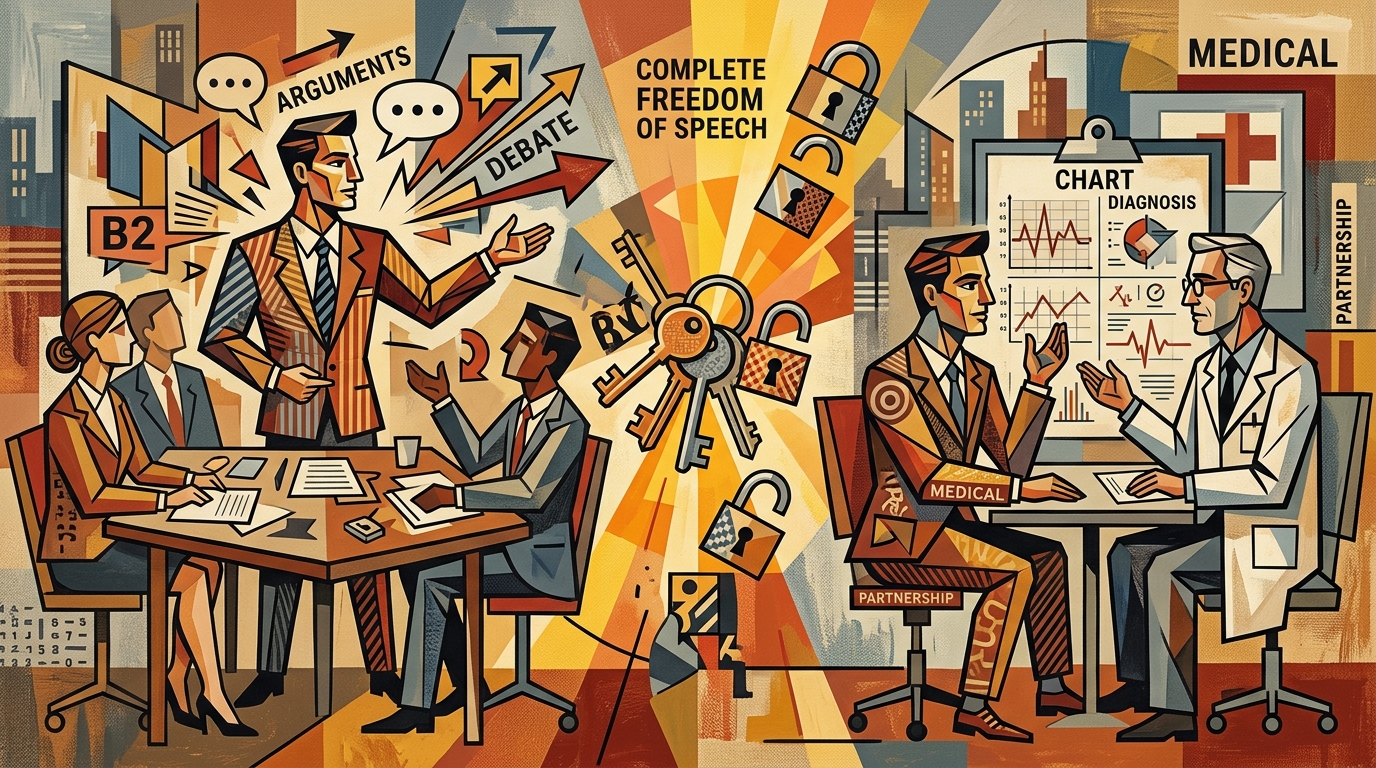
In a meeting, a B2 level enables you to lead discussions, present complex arguments, and negotiate with your colleagues. You don’t have to search for words or translate sentences in your head before speaking. You’re able to respond to unexpected questions and defend your opinions with clear, detailed explanations. It’s the stage where your personality can finally shine through in your second language, allowing you to build deeper trust and influence with your clients and partners. You’ll be able to shape decisions before they’re finalized.

In a clinical context, a B2 level gives you complete autonomy over your health decisions. You can understand detailed medical explanations, debate different treatment paths, and read patient literature with ease. You’ll be able to discuss side effects, ask complex questions, and express subtle nuances of pain or discomfort. It’s a level of fluency that eliminates the anxiety of communication barriers, making you feel completely secure in any professional or public setting. It’s the target you should aim for if you want to advance in your career, as it opens up the true path to leadership.

Arriving At Your Destination: C1 Dutch

Achieving Absolute Spoken Fluency At The C1 Level

Reaching the C1 level is a rare and impressive achievement for any language learner. At this stage, you can understand a wide range of demanding, longer texts and recognize implicit meaning. You’ll be able to express ideas fluently and spontaneously without much obvious searching for expressions. In a meeting, you can use the language flexibly and effectively for social, academic, and professional purposes. You’ll be able to produce clear, well-structured, detailed text on complex subjects, showing controlled use of organizational patterns and cohesive devices. It’s the point where you’re comfortable presenting in front of large audiences and writing complex reports without hesitation. You’ll feel completely at home in any professional or academic environment.


Hey There, You Native!


In a clinic or a high-stakes meeting, a C1 level ensures that you’re never at a linguistic disadvantage. You can understand the most complex, subtle arguments and respond with elegance and precision. You’ll be able to catch the smallest nuances of tone, sarcasm, and implicit agreement that are common in professional debates. It’s a level of mastery that makes you indistinguishable from a native speaker in terms of your ability to function in daily life. You won’t just be participating in the workplace; you’ll be leading it with complete authority and confidence. It’s the ultimate goal for anyone who wants to operate at the highest level of Dutch society, and it is well worth the dedication it takes to achieve.