



Why textbooks lose momentum on your desk
Buying a language book is easy. Studying it to fluency is impossible. A book doesn’t tell you what to do next. You have to decide when to open it, which chapter to study and how. After eight to ten hours of making decisions at work, your brain resists being your own teacher.

Feedback is a necessity
You can’t learn conversational Dutch through brief exchanges with cashiers and baristas. They won’t give you the feedback you need, which then leaves bad language habits in place for years. Ask any expat who’s gone this route, chances are they’ll say they wish they’d taken their language efforts more seriously years ago.

Building spoken reflexes in live evening classes
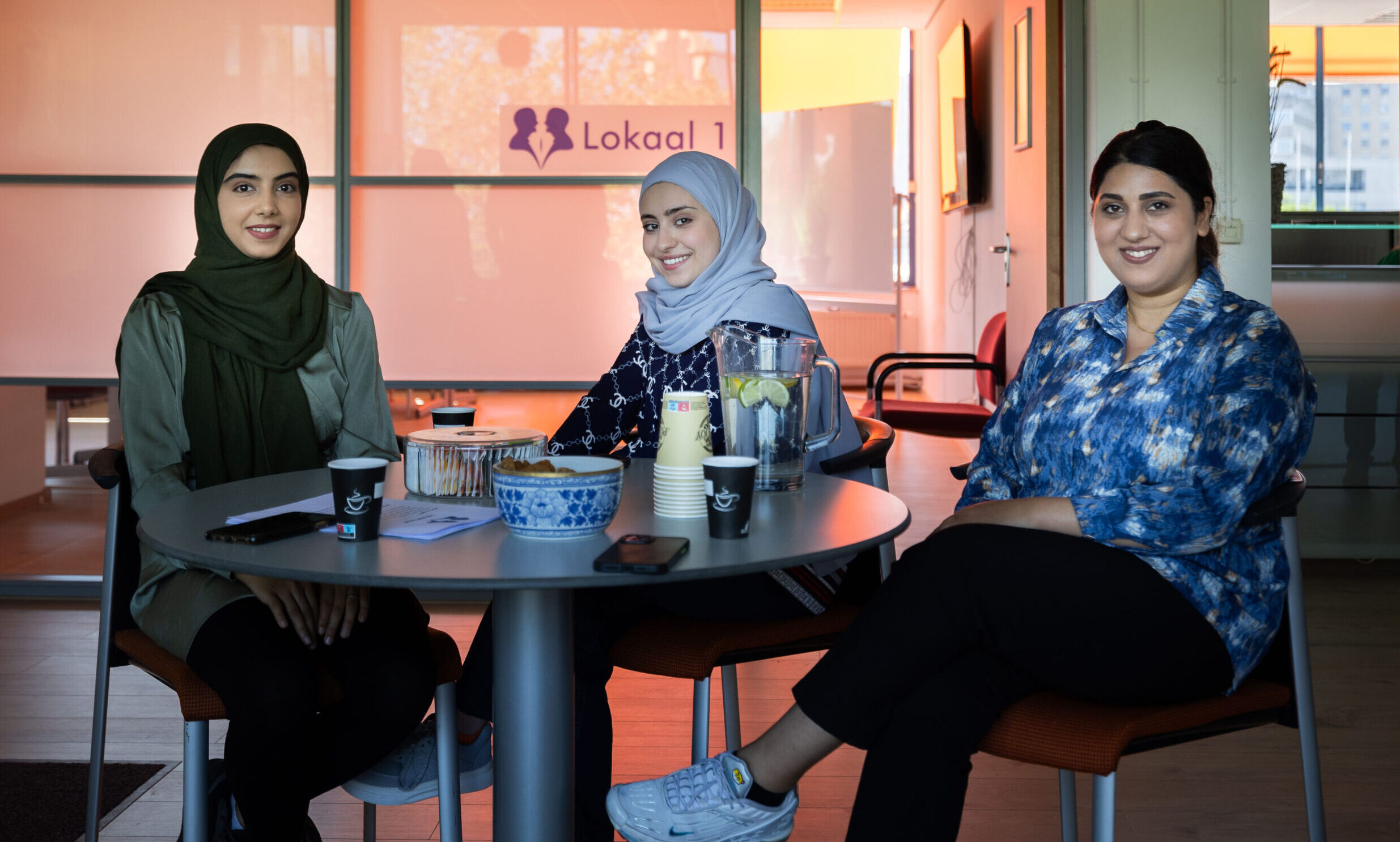
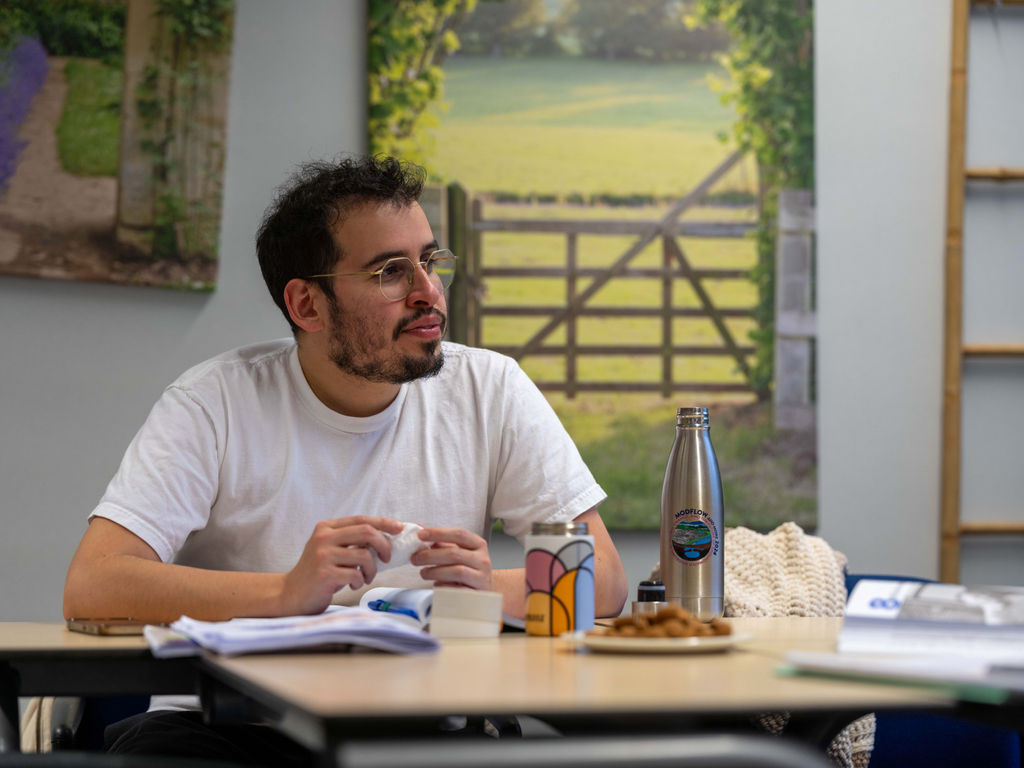
Structured evening classes give you a live room to practice speaking, get immediate feedback, and build real workplace fluency. You’re on the spot speaking, reacting, and answering questions in real time. Making mistakes in a low-risk environment frees up your mind to learn, not stress.

The power of schedule and peer accountability
Leaving your study schedule to chance means work will always crowd it out. Evening classes lock in a predictable weekly habit. You share a room with fellow expats who hold demanding jobs in engineering and finance. When you know your classmates and instructor expect you at 18:30, you show up. An audited NT2 syllabus moves you forward step by step. You build workplace fluency without burning out.
Discover the Dutch Courses at Lest Best
Our Dutch course in Rotterdam, Utrecht and online.
Below, you’ll find more information about our courses to help you make the right choice.

87%
slagingspercentage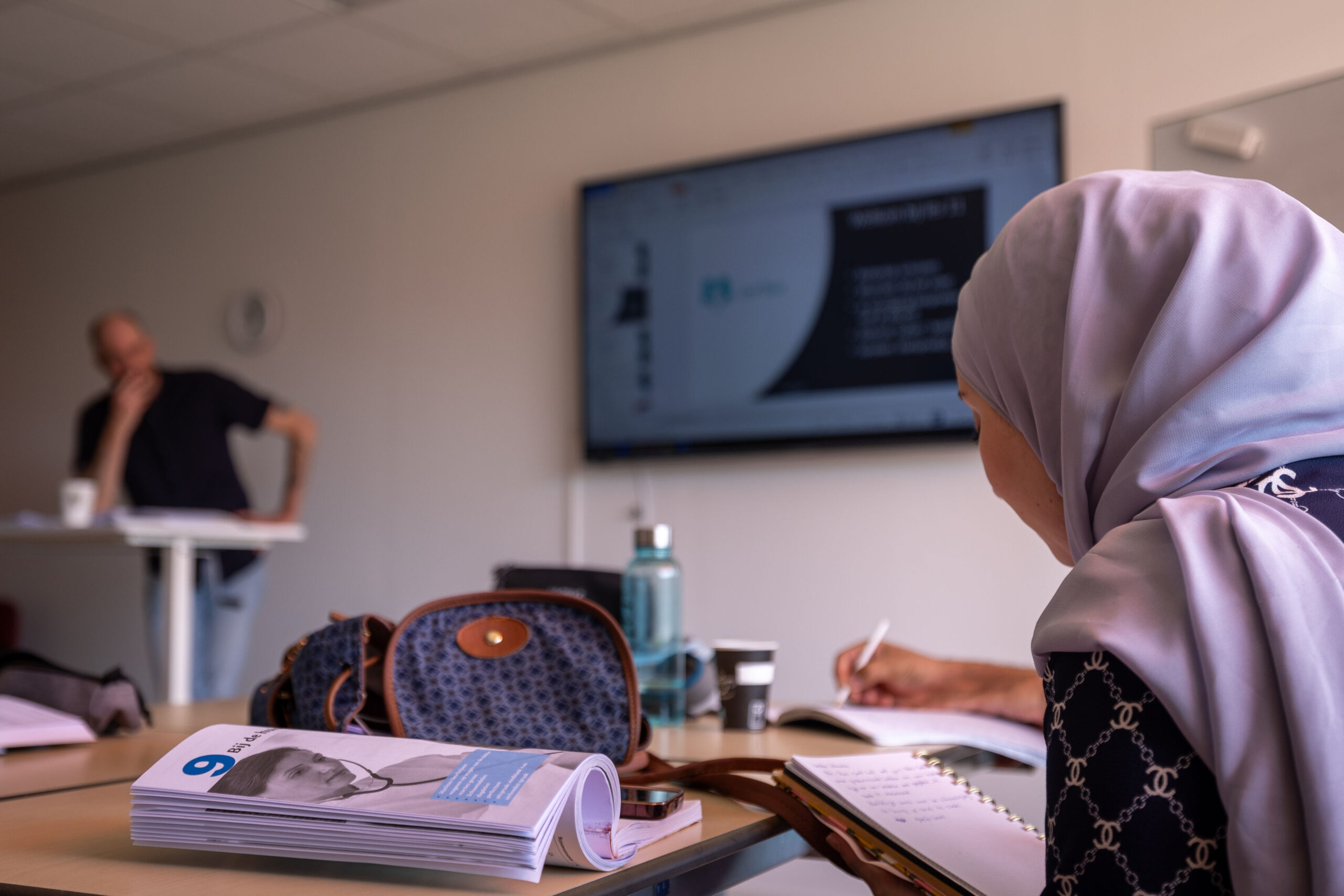

 Online, Rotterdam, Utrecht
Dutch Course A1: From A0 to A1 | Semi-intensive – Rotterdam, Utrecht and Online
Learn how to introduce yourself, greet and say goodbye, make appointments, make suggestions, order and thank, ask questions, give information, and do the shopping.

Online, Rotterdam, Utrecht
Dutch Course A2: A1 to A2 | Semi-intensive – Utrecht, Rotterdam or online
You will learn how to ask and talk about past events, describe a technical problem, make small talk, describe objects and surroundings, ask for and give information.
Online, Rotterdam, Utrecht
Dutch Course A2–B1: A2 to A2–B1 | Semi-intensive – Utrecht, Rotterdam or online
In the A2–B1 course, you complete level A2 and begin working towards level B1. You will learn how to make phone calls, describe objects and events, talk about your future plans, and describe things in more detail.