Why Professionals in the Netherlands Cannot Afford the Errors That Self-Study Often Cements

Problems That Self-Taught Dutch Speakers Face

Dutch Language Mistakes Undermine Your Professional Credibility

Relying on books and free digital documents to master Dutch often leads to the accumulation of ingrained linguistic errors. This process leaves highly skilled professionals feeling frustrated and insecure, as these mistakes begin to undermine their hard-earned clinical and workplace credibility. Why is real-time, expert feedback the only way to prevent these habits from permanently damaging your professional authority in the Netherlands?

Go directly to our A2 courses
Is Dutch Self-Correction The Best Way To Go?

Why Avoiding A Formal Dutch Language Course Costs More Than A Free Pdf

Can you bypass the rigors of professional training by simply downloading a free pdf Netherlands guide from the internet? You may convince yourself that you are being savvy, cutting out the middleman, and teaching yourself on your own terms. Maybe you imagine that because you have mastered complex subjects like medicine or engineering, you can surely handle a language with the same independent approach. Yet this is not a matter of intellectual capacity. It is a matter of professional efficiency and the accumulation of errors that you cannot see in yourself.


A Cost Misconception


When you choose the free route, you are not really saving money. You are paying a hidden tax in the form of time and eroded credibility. Every day you spend teaching yourself incorrect syntax is a day you are cementing a mistake that will require two days to unlearn later. For a high level professional, this is an unacceptable loss of momentum. You are not just failing to save euros, you are delaying the moment you can actually perform your duties in the Netherlands with the authority and precision that your patients and colleagues expect from you.

The Cost You Weren't Prepared For

Why You Cannot Afford To Learn From "Best Books For Learning Dutch"

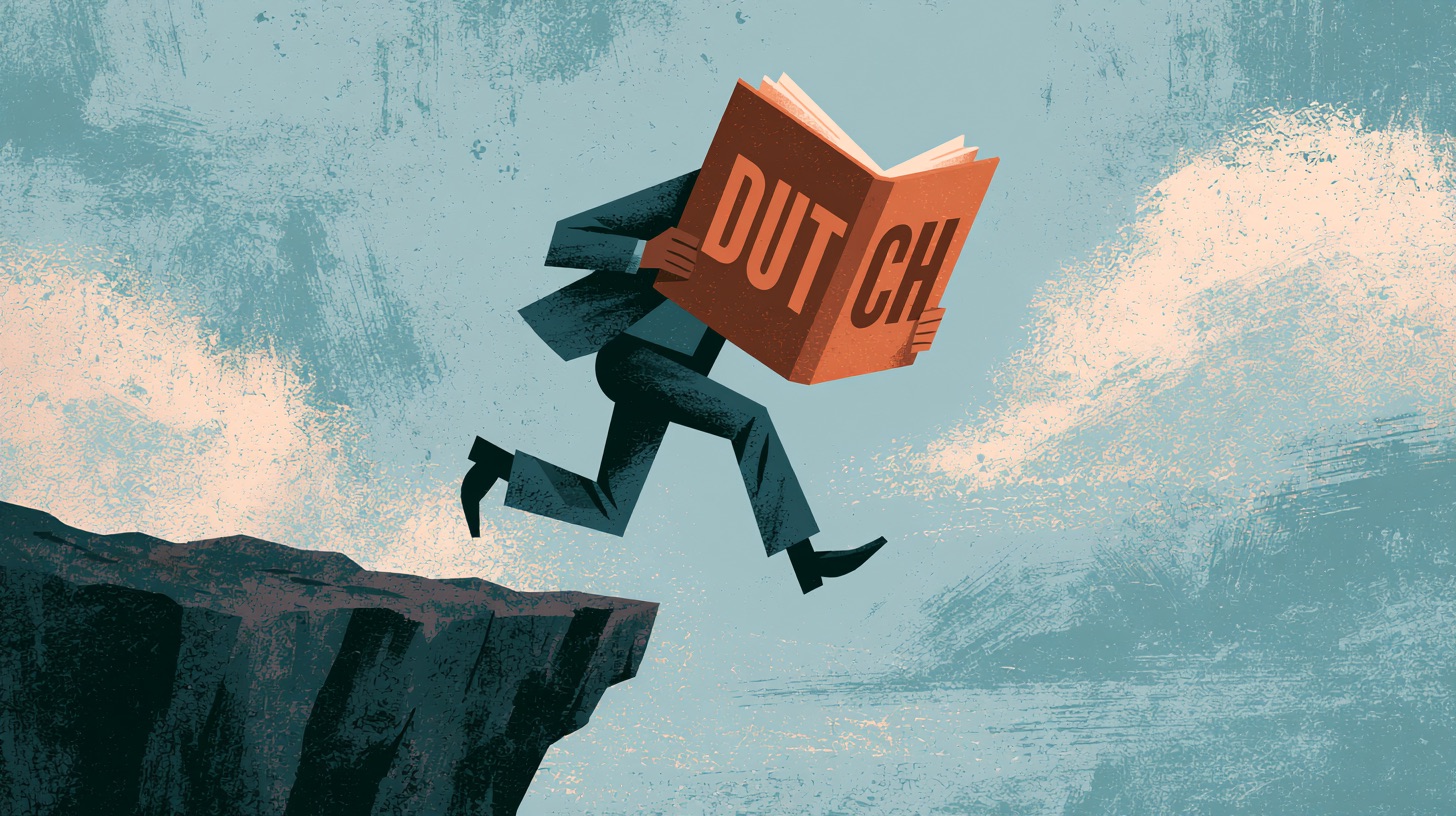
There is a strange, comforting nostalgia associated with the *best books for learning dutch*. We like the feel of a physical page and the idea that we can unlock a language by simply working our way through a table of contents. If you have been a high achieving student throughout your life, this method feels natural. You are used to reading, memorizing, and passing tests. But language is not a subject to be studied in a library. It is a social performance, and if you practice it alone, you are practicing in a void.

When you study in isolation, you fall victim to what is known as fossilization. This is the stage where mistakes become so deeply ingrained in your speech patterns that they feel correct to you, even when they are fundamentally wrong. You might be using the wrong grammar or mispronouncing critical terms, and because you are the only one listening to yourself, you never receive the feedback necessary to correct your course. Your brain treats these errors as facts, and once they are set, they are notoriously difficult to dislodge.


A Foundation of Mistakes


Think of it as learning to play a musical instrument by ear without ever having a teacher to correct your hand placement. You might eventually be able to play a tune, but your technique will be fundamentally broken, and you will never be able to play at a professional level. By relying on books, you are essentially training your brain to speak Dutch poorly. You are building a foundation of mistakes that will haunt your professional interactions long after you have moved on to more complex topics.


FAQ About Costly Errors From Dutch Self-Study

Why does self-study often lead to a hidden tax on a professional’s career?

By choosing the DIY route, you effectively pay for your language learning with lost time and eroded professional credibility instead of money. Every day spent cementing incorrect syntax creates a deeper backlog of errors that will take twice as long to unlearn in the future.

Why are fossilized mistakes dangerous for language learners?

Fossilization occurs when you practice in isolation, causing mistakes to become so deeply ingrained in your speech patterns that your brain eventually accepts them as facts. Once these errors are set, they become incredibly difficult to correct, essentially training your brain to speak the language poorly.

How does poor language mastery impact your daily credibility as a specialist?

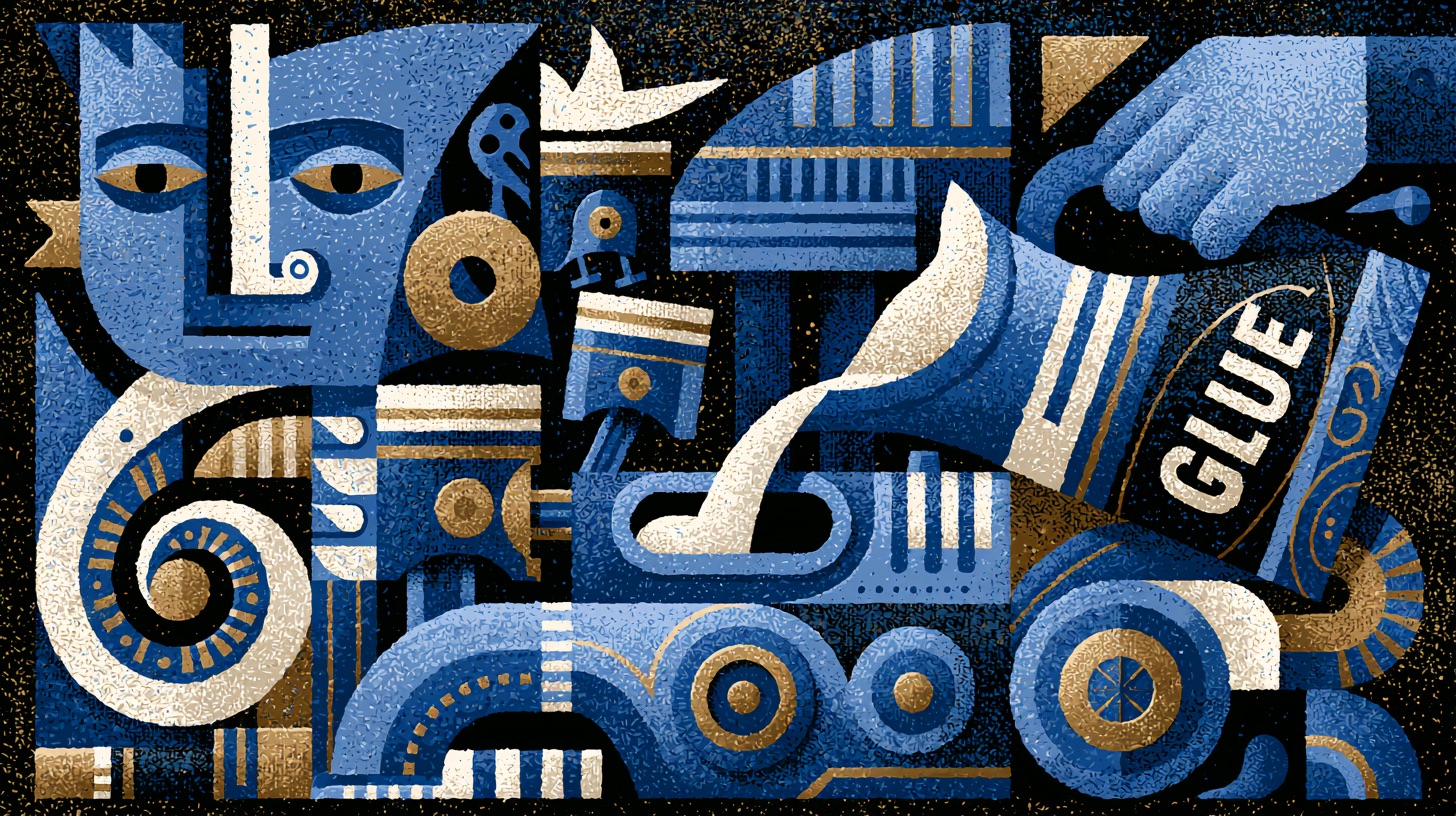
Using incorrect terminology or stumbling over professional phrasing acts like glue in the engine of your career, creating friction and signaling to colleagues that you are not in command of your environment. This lack of clear communication forces others to bridge the gap for you, which undermines the authority and trust essential for a doctor or dentist.

How Can An Intensive Dutch Course Ensure I Avoid Hardened Mistakes?

An intensive course provides the real-time, expert feedback necessary to identify and correct your errors before they can settle into your permanent memory. By engaging in a guided dialogue, you strip away bad habits and reconstruct your speech patterns with the precision and professional rigor required for your field.

Glue In The Engine

How Mispronounced Technical Dutch Terminology Cripples Credibility

For a doctor or a dentist, the stakes are not merely conversational. Your credibility rests on your ability to convey information with complete clarity. When you use a word incorrectly or stumble over a sentence structure because you have taught yourself a shortcut, you are not just making a small grammatical error. You are signaling to your patients and your peers that you are not fully in command of your environment. You are introducing friction into a system that requires seamless communication to function safely.


Creating Credibility ‘Drag’


Imagine your career as a high performance engine. You want it to run smoothly, efficiently, and with total reliability. When you rely on self taught, imperfect language habits, you are not adding oil to that engine. You are adding glue. Every time you hesitate, mispronounce a diagnosis, or fail to understand a nuance during a consult, you are creating drag. This is a day to day reality for the professional who has skipped the necessary rigor of formal training. You are forcing your colleagues to bridge the gap for you, and that is not a position any expert should be in.

Ditch The 'Learning Dutch Pdf'

The Necessity Of Real Time Expert Feedback

Moving past this obsession with the learning dutch pdf as the primary tool for professional development is important. It is an artifact of a time when we thought we could digitize everything and assume the human element was optional. But you cannot digitize the judgment of a mentor. You cannot download the experience of an instructor who can hear exactly where your pronunciation is drifting into the uncanny valley. You need that real time, brutal, and honest feedback that only a human being can provide.


Controlled Friction


A professional environment does not give you time to look up a word in a digital file. It requires you to know it, to use it, and to trust that your usage is correct. When you are in a formal, guided course, you are exposed to a controlled level of friction. You are corrected before your mistakes have a chance to settle into your permanent memory. It is a protective process, designed to strip away the bad habits you have likely already picked up and replace them with a rigorous, professional command of the language.

If you are a high profile specialist, you have already spent years mastering your craft. You know that you cannot master surgery or dentistry through a quick guide or a handful of documents. Why would you assume that Dutch is any different? You need a system that breaks down your errors and reconstructs your speech patterns from the ground up. You need to be in a dialogue, not a monologue, because a dialogue is the only place where true professional precision is developed.

Investing In Authority

The Benefits Of Professional Dutch Mastery

Language training is a significant investment in your own professional authority. When you show up to a practice or a clinic, you want your language skills to be an asset that reinforces your expertise, not a distraction that undermines it. By committing to a professional program, you are signaling to yourself and to the world that you are serious about your place in the Dutch workplace. You are not just looking for a way to get by. You are looking for a way to lead.


Reaping The Rewards


The return on this investment is found in the trust you build with your patients. When you speak clearly, confidently, and accurately, people believe in you. They feel heard, and they feel safe. If you have been struggling with a self taught language barrier, you are essentially asking your patients to bear the cost of your lack of preparation. Invest in the right training now, and you will spend the rest of your career reaping the rewards of being a truly integrated, authoritative, and capable professional in your field.